There are food names that describe a product, and others that suggest an entire way of life. Tavolata.org belongs to the second group. In Italian, a tavolata is a group of people gathered around the same table to eat, drink and enjoy one another’s company. The word brings to mind a long family lunch, a crowded restaurant table, or a summer evening when one more chair is always found for a guest. That is a strong starting point for a publication devoted to Italian cuisine, with Sicily as a distinctive part of its identity.
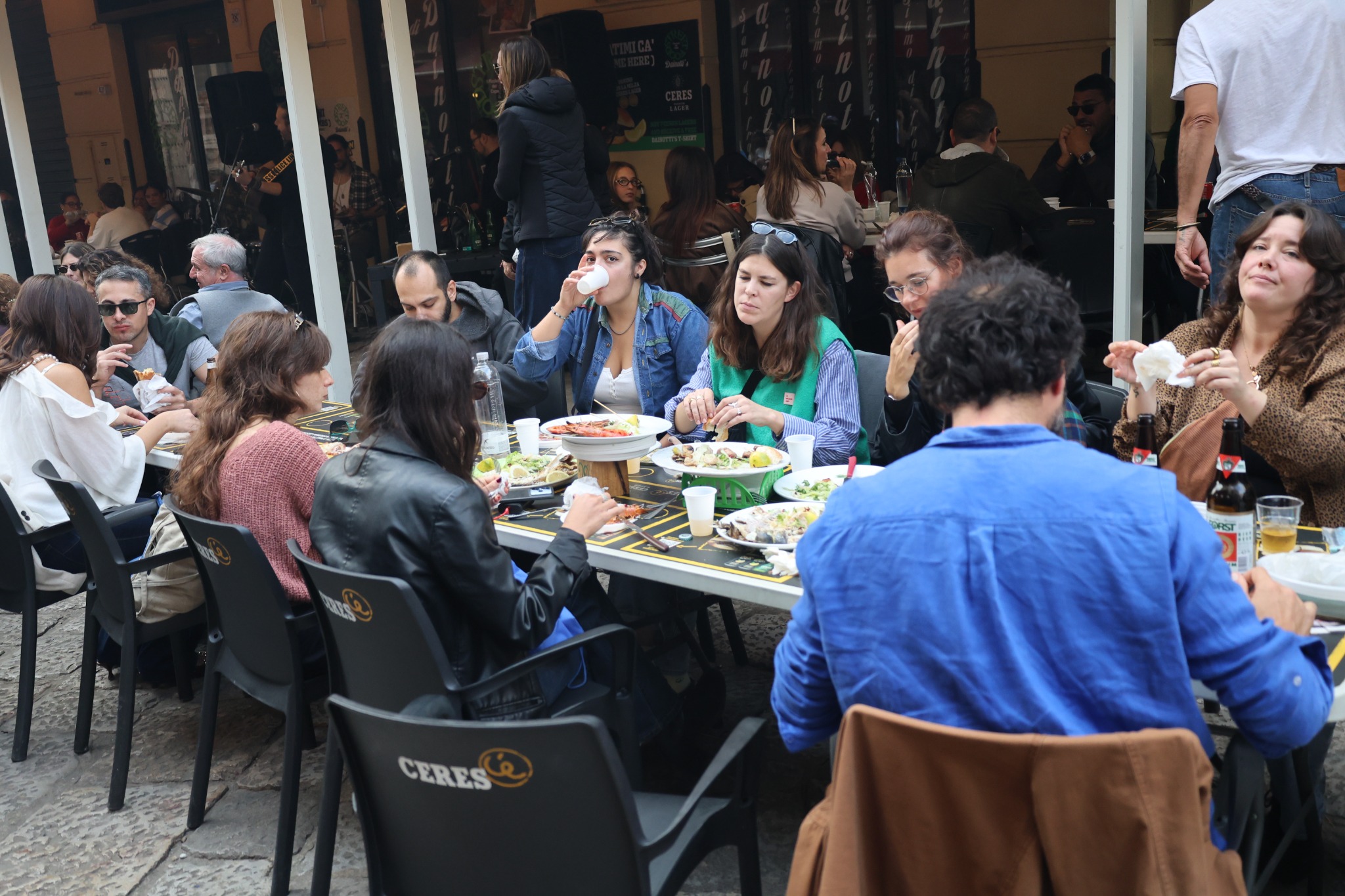
The proposed site could cover Italian cooking through its people, places and traditions rather than treat every dish as another entry in a recipe database. Readers could find carefully tested recipes, the stories behind regional specialties, ingredient guides and reports from neighborhood markets. A pasta article might explain why a particular shape belongs with a particular sauce. A feature on olive oil could follow the harvest, the mill and the person who uses it at home. There is room for practical advice too, especially the sort that comes from watching somebody cook rather than reading a list of exact measurements.
Sicily would give Tavolata.org a particularly vivid editorial voice. Palermo alone offers enough material for a substantial series: the street food of Ballarò and Capo, panelle served hot, sfincione from a bakery counter, arancine, and the debate over where to find a really good cannolo. Beyond Palermo are Trapani’s couscous traditions, the pasta and seafood dishes of coastal towns, and the island’s remarkable range of citrus, pistachios, almonds and sweets. An Italian and Sicilian cuisine website could move naturally from a family kitchen to a market stall and then to a restaurant worth making a detour for.
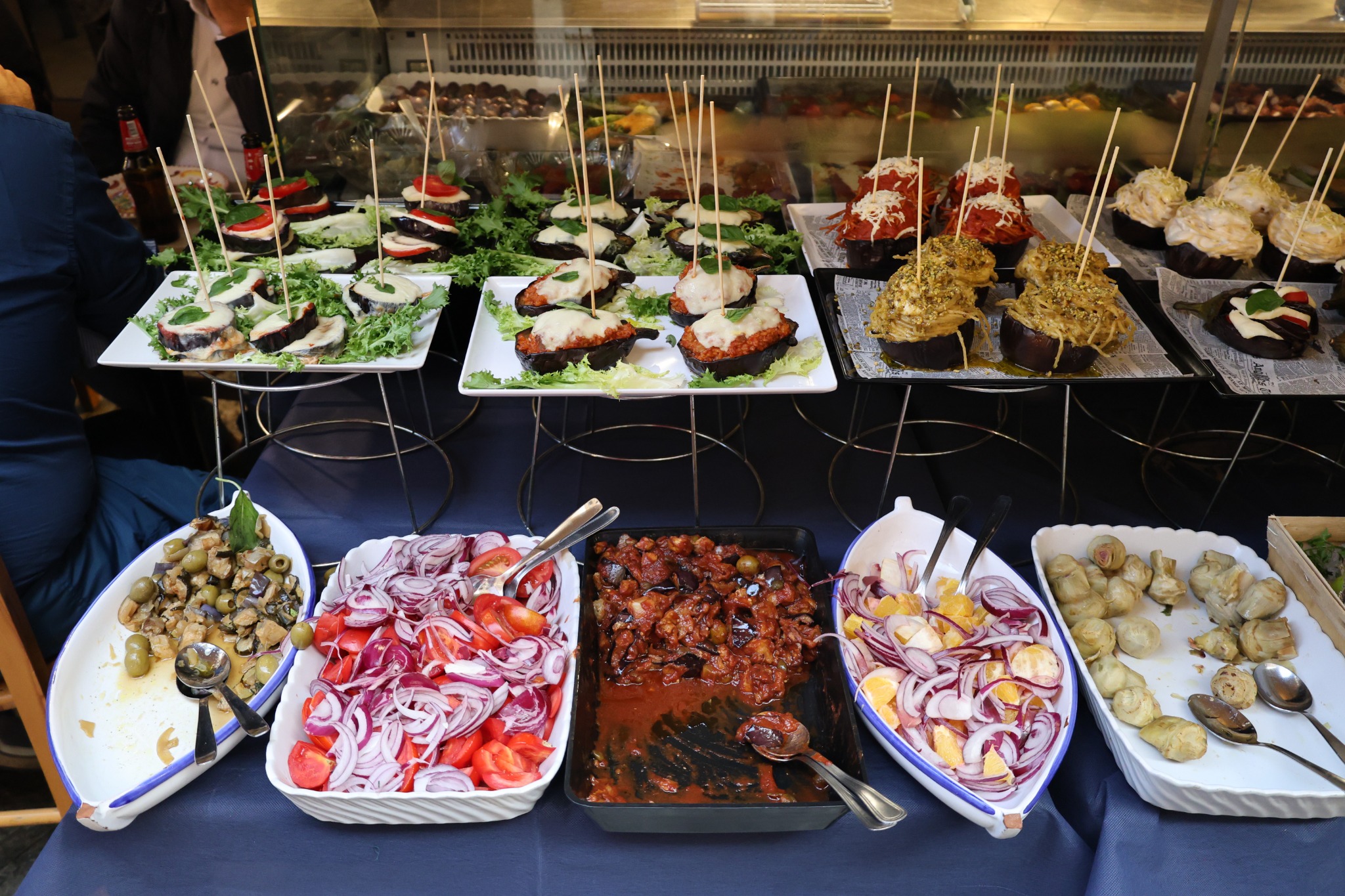
Photography could become one of the publication’s strengths. Food is particularly convincing when shown where it belongs: fresh fish laid out in a Sicilian market, a pan of caponata coming off the stove, ceramic plates on an outdoor table, or a bakery window early in the morning. Original photographs, short videos, and conversations with cooks would give the site material that a generic collection of recipes cannot easily replicate. A recurring series about what Italians cook at home, as opposed to what visitors usually order, could be especially appealing.
The domain also leaves space for a business to grow around the editorial idea. A newsletter could bring seasonal menus and discoveries to readers. Carefully chosen cookbooks, kitchen equipment, culinary tours, cooking classes and partnerships with food producers could provide revenue opportunities if the audience develops. The .org extension suits a magazine interested in culinary heritage, cultural exchange and community, while the name is short enough to work on a book cover, a social account, or an event invitation. International readers may need the word explained once, but its meaning is memorable.
Tavolata.org is an appealing domain for someone looking to build a serious Italian food publication with a recognizable personality. It offers the makings of a brand without pretending that the editorial business already exists. Start with the food, tell the stories behind it, and make the reader feel there is always a place left at the table.